

Managing your money efficiently often starts with the way you pay. Debit cards are among the most commonly used financial tools worldwide. They let you access your own funds directly and spend with convenience both for personal and business banking.
Below, we’ll walk you through what debit cards are, how they work, their advantages and disadvantages.
What Is a Debit Card and How Does It Work?
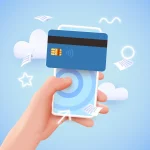
A debit card is a payment card linked directly to your Current Account. When you make a purchase, the money comes out of your account immediately. You can use it at stores, ATMs, and even online. Each transaction is processed through your bank’s payment network, ensuring secure and real-time deductions. Unlike credit cards, debit cards only let you spend what you already have in your account, which makes them a practical tool for those looking to stick to a budget or avoid debt.
What Are the Advantages of Using a Debit Card?
Debit cards blend convenience and spending control into one simple tool. When used wisely, they make everyday money management straightforward while helping you avoid unnecessary debt.
1. Direct Account Connection
A debit card links directly to your Current Account, giving you immediate access to your funds. Each purchase or ATM withdrawal updates your available balance instantly, keeping you aware of your financial position at all times.
2. Low Annual Fees
Because debit cards use your own money rather than borrowed funds, they typically come with low annual fees. This makes them one of the most cost-efficient ways to pay for everyday needs.
3. Spending Control Mechanism
Your spending power with a debit card is naturally limited to the amount in your account. This built-in budget check helps prevent overspending, reduces financial stress, and supports healthy money habits.
4. Real-Time Transaction Tracking
Every transaction made with your debit card appears in your account almost instantly. With modern mobile banking apps, you can monitor balances, categorize purchases, and quickly spot any unauthorized activity.
5. Instant Cash Access
Debit cards provide quick access to cash at ATMs anywhere in the world. Many banks even offer a number of free ATM withdrawals, ensuring that getting your money remains both easy and affordable.
What Are the Potential Disadvantages of Using a Debit Card?
Debit cards make everyday spending convenient, but they’re not without drawbacks. Understanding these limitations can help you use them wisely and avoid potential financial setbacks.
1. Limited Fraud Protection
Debit cards generally offer weaker protection against fraudulent activity. If your card is lost, stolen, or cloned, the stolen funds are withdrawn directly from your account and may take time to be reimbursed by your bank.
2. Daily Spending and Withdrawal Limits
Banks often set daily limits on transactions and ATM withdrawals to reduce fraud risks. While well-intentioned, these caps can be inconvenient, especially during travel or when you need to make a large, legitimate purchase.
3. Overdraft Fees and Penalties
Spending more than your account balance can trigger overdraft fees. Even small missteps, like a delayed deposit or automatic payment, can lead to costly penalties if you’re not monitoring your balance closely.
4. Authorization Holds on Funds
Certain merchants, such as hotels or car rental companies, place temporary holds on your account for more than the actual purchase amount. These holds freeze part of your balance until the final payment is processed, potentially limiting your available funds.
5. Limited Rewards and Benefits
While a few debit cards now offer cashback or loyalty points, their rewards programs are usually less valuable than those attached to credit cards. Especially travelers may find these perks relatively limited.
Should You Rely Primarily on a Debit Card for Your Payments?
Relying on your debit card for everyday payments provides a practical way to manage expenses and keep your finances under control. Because debit cards only let you spend what you have, they naturally encourage budgeting and help you avoid debt. However, limiting yourself to debit cards alone may mean missing out on benefits that other bank cards may provide, depending on your Banking Institution.
Ultimately, the right approach depends on your habits, goals, and individual circumstances. For those who value simplicity and discipline, debit cards are a reliable ally. However, pairing them with a credit card can enhance your financial toolkit, helping you better navigate your daily needs.